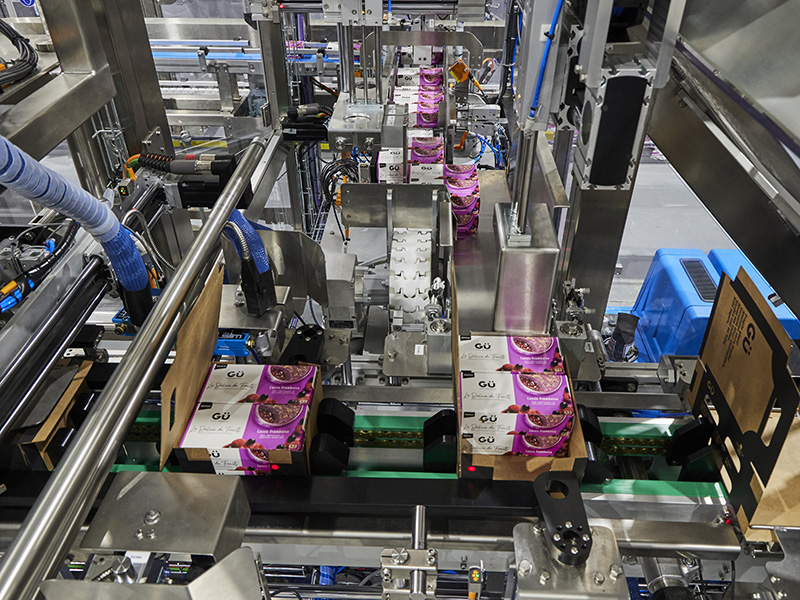
Food manufacturers expanding automation capacity are being urged to focus less on hardware alone and more on long-term system fit, integration and operational resilience, as supplier Tekpak Automation outlines seven common mistakes it says continue to undermine automation investments.
Ahead of interpack 2026 in Düsseldorf, Andrew Ross, Head of Software at Tekpak Automation, argues that automation decisions increasingly shape competitiveness in food production, particularly as processors face pressure to improve throughput, reduce waste, lower energy use and address labour shortages.
Rather than positioning robotics simply as a productivity upgrade, Ross frames automation specification as a broader strategic process in which early design decisions can determine whether systems deliver operational value or create costly bottlenecks.
A recurring theme is integration. Tekpak warns that failing to account for existing production hardware and software infrastructure can lead to avoidable inefficiencies, particularly when new systems are added without sufficient compatibility planning. Ross stresses that suppliers should assess current line architecture from the outset to ensure new installations communicate effectively with legacy equipment.
Factory footprint is another major consideration. Packaging environments are often constrained, and automation systems designed without realistic space analysis may force manufacturers into expensive layout changes or equipment compromises. Tekpak advocates a layout-first approach, where available production space shapes system design rather than the reverse.
Ross also highlights usability as a critical but frequently overlooked factor. While automation investments are often specified by engineering or leadership teams, day-to-day system performance depends heavily on shop-floor adoption. Human-machine interfaces, operational simplicity and multilingual accessibility are therefore positioned as essential components of successful deployment.
Flexibility is presented as equally important. Tekpak argues that systems designed too narrowly around current SKUs or formats risk premature obsolescence as product portfolios evolve. Instead, Ross suggests manufacturers should prioritise software adaptability and format scalability to preserve long-term return on investment.
Project governance is another focus. Tekpak emphasises the value of assigning overall responsibility for compliance, installation and systems integration to a single lead supplier, particularly as machinery regulations, cybersecurity obligations and operational validation become more complex.
Cyber resilience is given growing prominence in the company’s guidance. With the EU Cyber Resilience Act approaching implementation, Ross notes that automation buyers should assess not only present functionality but also software update capability, cybersecurity readiness and AI compatibility.
Finally, Tekpak argues that post-installation support should be treated as part of the investment decision rather than an optional service layer. Training, remote diagnostics and long-term technical support are described as essential to maintaining uptime and preserving system value.
Taken together, the company’s guidance reflects a broader shift in food automation from equipment purchasing toward systems architecture, where software, compliance, scalability and lifecycle support increasingly define project success. As more food producers invest in robotics, Tekpak’s position is that avoiding specification mistakes early may be as important as the technology itself.