Packaging automation specialist Gerhard Schubert GmbH is using interpack 2026 to present a three-part technology strategy designed to address increasingly diverse production requirements, more selective investment decisions and growing demand for application-specific automation.
The company’s portfolio is now structured around three technology pillars: TLM for highly flexible top-loading, LIGHTLINE for standardised packaging tasks and TOG for modular automation functions.
According to Schubert, the strategy reflects changing market conditions as manufacturers seek packaging systems that can align more precisely with operational complexity, investment scope and production flexibility.
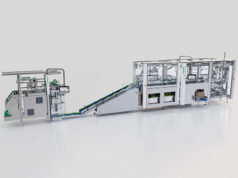
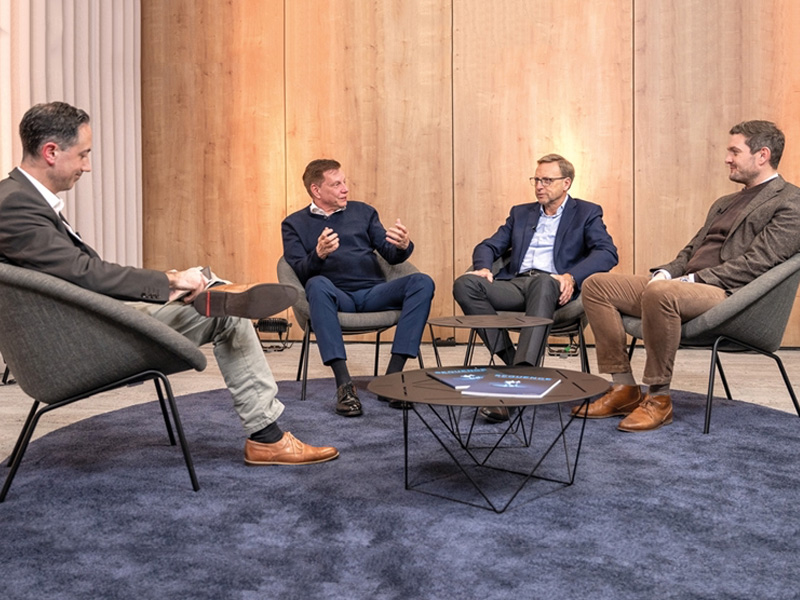
TLM remains the company’s core platform for highly customised packaging applications. Marcel Kiessling, Managing Director of Sales and Service, said the system continues to serve as Schubert’s benchmark for robot-based top-loading, particularly in applications requiring flexibility, precise product handling and the ability to manage complex packaging tasks across multiple industries.
At interpack 2026, Schubert will introduce the latest generation of TLM, built around a significantly stiffer machine frame. According to the company, the new platform is designed to increase output, improve robot precision and enhance performance without increasing floor space requirements.
Alongside TLM, Schubert is expanding its reach into more standardised packaging applications through LIGHTLINE. Marcus Schindler, Head of Strategic Corporate Development, said the platform is intended for packaging tasks that require less flexibility and can therefore be automated more quickly and efficiently.
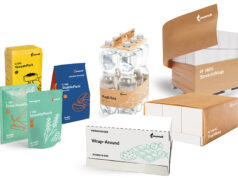
Based on established TLM components, LIGHTLINE consists of preconfigured machines for defined applications including pick-and-place, flow-wrapping, cartoning and case packing. Schubert says this approach is designed to reduce engineering requirements and shorten commissioning times for less complex packaging scenarios.
The third pillar, TOG, represents Schubert’s move toward modular, function-specific automation. Ralf Schubert, Managing Director and shareholder, described TOG as a system built around fully standardised, independent machine units that can perform individual packaging functions either within Schubert lines or in production environments from other manufacturers.
Rather than focusing solely on complete packaging lines, TOG is positioned around flexible, combinable units that can be integrated, expanded or rearranged according to production requirements.
At interpack, Schubert will showcase the TOG Cobot, a cognitive pick-and-place robot equipped with an in-house AI-based vision system designed to handle unsorted products, as well as the TOG Erecting Unit for cartons and boxes.
According to the company, both systems are intended to provide standalone automation solutions with clearly defined functions, aimed at closing automation gaps while complementing existing production processes.
Through TLM, LIGHTLINE and TOG, Schubert is positioning its interpack 2026 presence around a broader strategic response to shifting packaging industry requirements, spanning high-flexibility systems, standardised machine concepts and modular automation components.