Macpac has partnered with Valpak to develop a bespoke in-house carbon calculator designed to give customers clearer lifecycle assessment (LCA) data when evaluating packaging design options.
The Stockport-based thermoformed packaging specialist said the tool is intended to help clients compare the carbon footprint of multiple packaging formats — including plastic, bio-plastics, paper and card — at both concept and development stages, allowing earlier intervention on material choices, pack size, recycled content and downgauging strategies.
According to Macpac, the system provides clients with tailored carbon datasheets in a visual, print-ready format for internal sustainability reporting and design decision-making. By generating comparable data across material categories, the company positions the tool as a way to support compliance with tightening regulatory requirements while also helping brands align packaging choices with science-based targets.
The calculator can be used not only during concept development but also for products already in development or existing packaging lines, broadening its application beyond new product design.
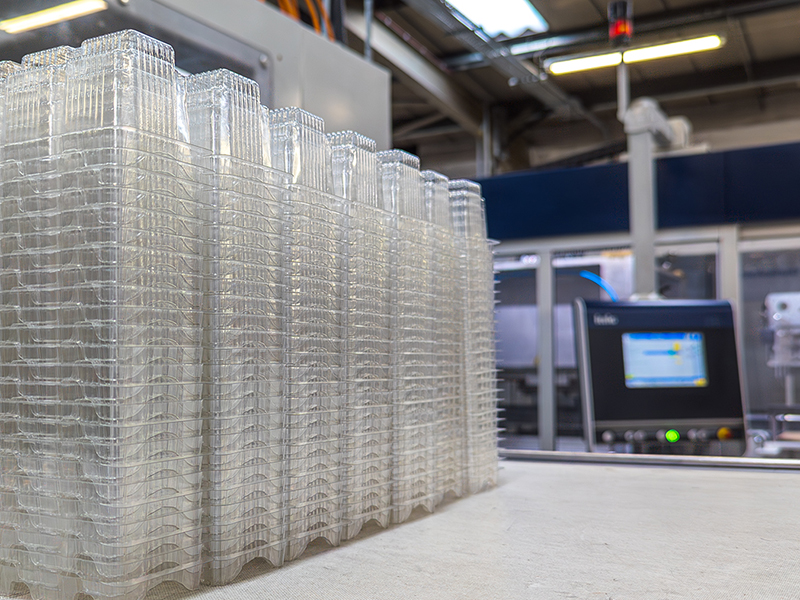
Macpac said the tool also highlights how material composition can significantly affect carbon outcomes. The company currently uses rPET containing at least 30% post-consumer recycled content in its thermoformed packaging, with the option to increase recycled content up to 100% depending on customer requirements. It argues that higher recycled-content rPET can, in some applications, deliver a lower carbon footprint than certain paper or card alternatives.
The move reflects growing demand from packaging users for more precise environmental data as carbon accounting increasingly becomes part of procurement, design and compliance strategies. By embedding carbon analysis internally, Macpac is seeking to position sustainability assessment earlier in the packaging development process rather than as a post-design exercise.