AIMPLAS has joined the Horizon Europe-funded MULTIPLY project, a 17-partner consortium seeking to accelerate the industrial uptake of microalgae-derived ingredients across five sectors, including packaging.
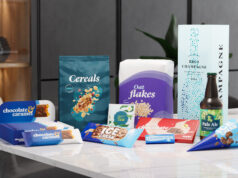
Launched in June 2025 under the Horizon Europe framework, the initiative aims to develop and scale up ten bio-based solutions intended to reduce reliance on fossil-based and food-derived raw materials. The consortium’s work spans applications in food, animal feed, cosmetics, lubricants and biomaterials, with a focus on enabling market-ready alternatives supported by performance and sustainability data.
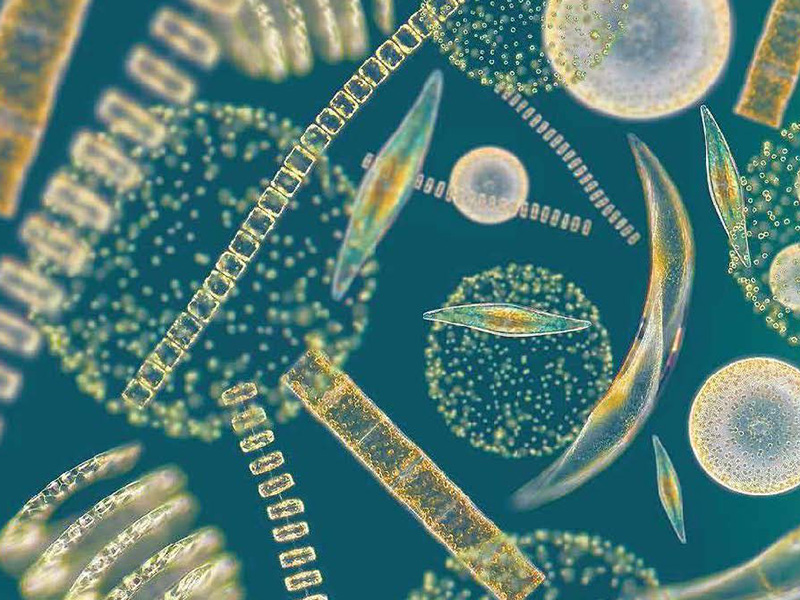
The partners are working with five species of microalgae — diatoms, Arthrospira (Spirulina), Tetraselmis, Nannochloropsis and Chromochloris zofingiensis — to create high value-added products. These include natural colourings and protein-rich food ingredients, salmon feed components enriched with algae compounds, cosmetic oils and esters, bio-based lubricants for high-performance uses, and compostable films and coatings derived from algae oils and starch.
Focus On Recyclable Barrier Coatings And Active Packaging
Within the project, AIMPLAS is responsible for developing sustainable materials and formulations derived from microalgae compounds and polymers for packaging applications.
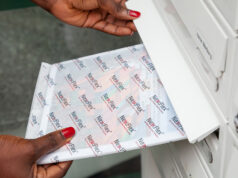
The Spanish technology centre is working on recyclable barrier coatings for paper substrates designed to provide water and grease resistance. The aim is to offer an alternative to conventional paper/polyethylene multilayer structures, which are widely used in food packaging but can present recycling challenges.
In parallel, AIMPLAS is contributing to the development of active cosmetic packaging that integrates microalgae-derived materials, including functional compounds, encapsulation matrices and structural components. The objective is to improve product stability while reducing the need for preservatives in cosmetic formulations.
By targeting both functional performance and end-of-life considerations, the work aligns with broader EU ambitions to decouple packaging materials from fossil feedstocks and enhance circularity.
From Laboratory To Market
According to the project consortium, the coming months will see the launch of pilot activities focused on nutrient recovery and the testing of a new monitoring tool. The first algae extracts and oils are also expected to be delivered for product development, marking a transition from laboratory-scale research to applied industrial trials.
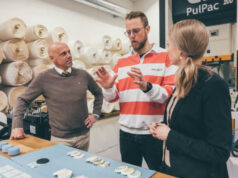
“The idea that microalgae will drive a circular future sums up our approach,” said Marta Paiva, project coordinator at A4F, during the latest project review meeting in Berlin. “We focus on specific products and sectors where algae can replace conventional ingredients, backed by data on their performance, sustainability and scalability.”
Alongside technical development, the consortium is advancing sustainability assessments and market acceptance studies. These are intended to support the commercial viability of algae-based solutions and to address regulatory and consumer considerations ahead of large-scale deployment.
By combining feedstock innovation with sector-specific product development, the MULTIPLY project positions microalgae as a potential platform technology for Europe’s bio-based transition. For the packaging sector, the outcome could be new recyclable coatings and active materials capable of replacing fossil-derived components while meeting performance requirements demanded by brand owners and converters.
If successfully scaled, the initiative may contribute to establishing a more resilient European supply chain for bio-based ingredients — one rooted in controlled microalgae cultivation rather than fossil or food-based resources.