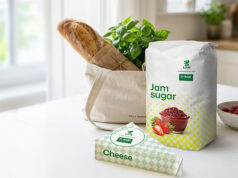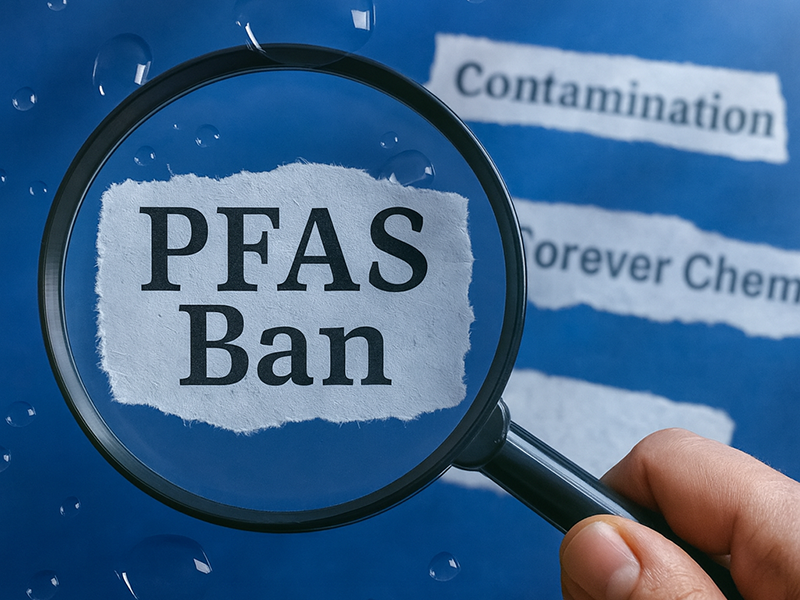
California lawmakers have approved SB 682, a bill that would prohibit the sale and distribution of consumer products containing “intentionally added” PFAS, with phase-in dates beginning in 2028. The measure cleared its final votes on September 13 and is now awaiting Governor Gavin Newsom’s decision. If signed, PFAS in food packaging and certain plastic foodware would be barred from sale from January 1, 2028; cookware with intentionally added PFAS would follow from 2030.
The bill, authored by Senator Ben Allen, advances California’s move toward an “essential use” approach, extending beyond prior state actions that already restrict PFAS in paper-based food packaging, textiles, cosmetics, menstrual products, firefighting foam and certain children’s items.
Susan Little, California legislative director for the Environmental Working Group, said: “This bill is a long overdue step toward protecting Californians from unnecessary exposure to ‘forever chemicals’ in everyday products. We applaud Sen. Allen for championing this important public health initiative, which will eliminate major routes of exposure to these toxic chemicals.”
Industry groups, however, have warned about potential knock-on effects for sectors relying on specific PFAS functionalities, including electric vehicle batteries and surgical devices.
Implications for packaging suppliers
For packaging and foodservice brands operating in California, SB 682 would formalize a statewide prohibition on intentionally added PFAS in all food packaging from 2028, going well beyond the state’s existing ban on paper and paperboard grease-proofing agents. Separately, the U.S. Food and Drug Administration has confirmed that PFAS-based grease-proofing substances historically used on paper and paperboard food packaging are no longer being sold by manufacturers for U.S. food-contact uses, following a voluntary phase-out completed in 2024 and final administrative steps in January 2025.
The wider regulatory context
- European Union: The EU is advancing a broad REACH restriction covering most PFAS uses, while the new Packaging and Packaging Waste Regulation (PPWR) focuses on prevention, recyclability and reuse. Both frameworks will shape the future of PFAS use in packaging.
- Denmark: A national ban on PFAS in paper and board food-contact materials has been in force since July 2020.
- United States (other states): Several states, including New York, Colorado and Washington, already restrict PFAS in food packaging, with broader prohibitions in place or under development.
- Canada: Federal authorities are moving to regulate PFAS as a class, adding substances to toxic inventories and preparing future restrictions, with milestones expected between 2025 and 2027.
Bottom line
If signed into law, California’s SB 682 would set one of the broadest state-level PFAS prohibitions in the U.S., aligning the market with FDA-confirmed withdrawals of PFAS grease-proofing agents and accelerating the shift to PFAS-free barrier systems. For multinationals, California’s timelines should be considered alongside EU and Danish precedents to ensure harmonized compliance across global packaging markets.