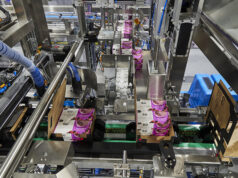
A new study commissioned by the American Consumer Institute finds that eliminating plastic packaging from everyday goods could significantly increase grocery costs, underscoring the material’s role in maintaining affordability at a time of sustained economic pressure on households.
The report, Material Substitution Costing Analysis, concludes that replacing plastic packaging across a range of common products would lead to broad-based price increases throughout the grocery aisle. According to the findings, the average shopping trip could become USD60.75 more expensive, reflecting higher production, transportation and spoilage-related costs.
The study highlights the impact through what it describes as a “breakfast shock” scenario. Substituting plastic packaging in staple items such as milk, bacon and frozen fruit used for smoothies would raise prices by 24.5%, adding roughly USD6.34 per trip for those items alone. Over time, such increases could compound meaningfully for households managing recurring grocery expenses.
Price pressures would not be evenly distributed across categories. The analysis estimates that milk prices could rise by 38.3%, while carbonated beverages could climb by 55.1%. Meat and frozen goods are projected to increase between 15% and 28%. Researchers attribute these gains not only to higher material costs but also to cascading effects across supply chains, including increased transportation expenses, greater risk of food spoilage and the need for costly manufacturing adjustments.
The report also points to the uneven burden such increases would impose. Lower- and middle-income households, which allocate a larger share of their budgets to groceries, would likely feel the impact more acutely, raising concerns about the regressive nature of packaging-related cost shifts.
In response, the American Consumer Institute calls for a more measured approach to sustainability initiatives, arguing that affordability should remain central to policymaking. While acknowledging the importance of environmental goals, the study advocates for solutions that balance innovation and improved waste management with the continued role of plastics in modern supply chains.
The American Consumer Institute is a nonprofit organization focused on advancing consumer welfare by analyzing the effects of public policy within a free-market framework.